

Popular Subjects
Discover the most sought-after fields of study and find your perfect academic path.
Neuroscience
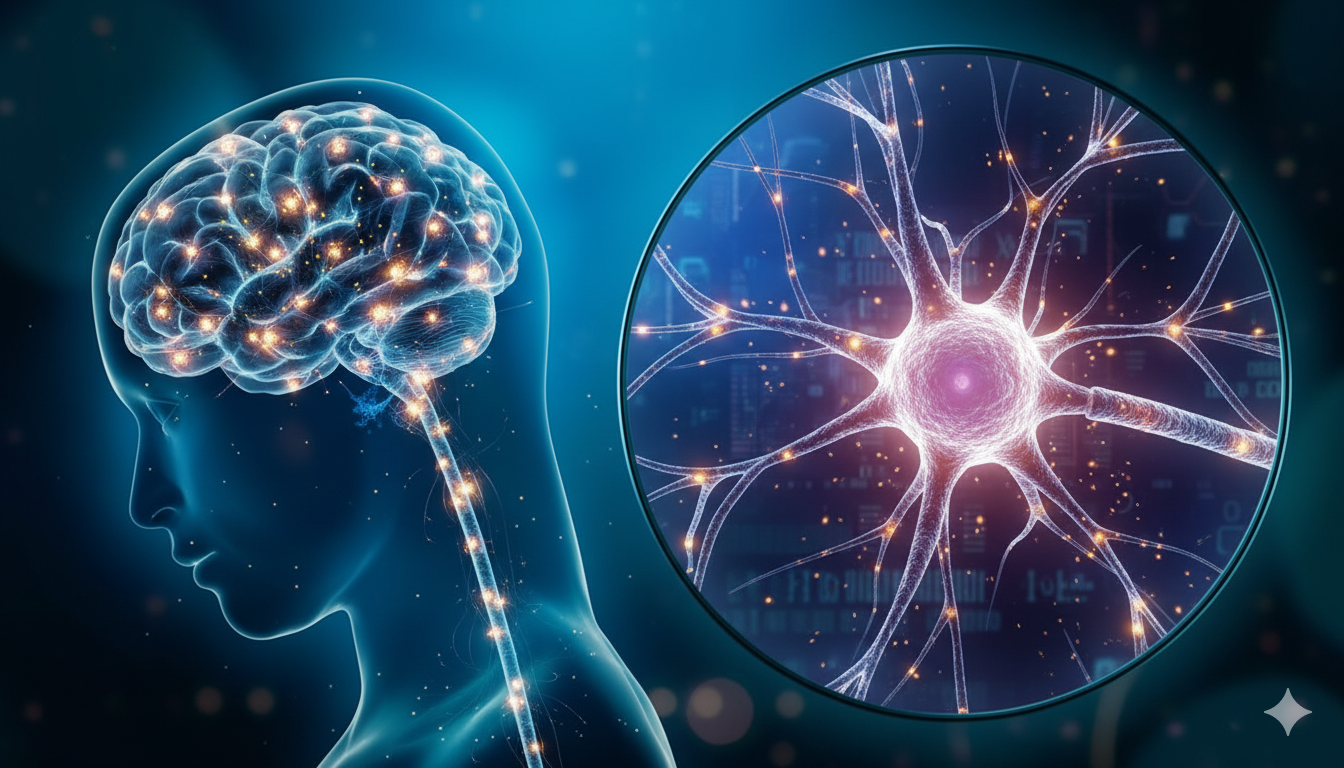
Neuroscience is the scientific study of the nervous system, including the brain, spinal cord, and neural networks. It explores how the nervous system controls behavior, cognition, emotions, and bodily functions, integrating biology, psychology, and medicine. A degree in Neuroscience provides knowledge in neurobiology, cognitive science, neuroanatomy, neurophysiology, neuropharmacology, and research methods. Students develop analytical thinking, experimental design skills, and the ability to interpret complex data to understand brain function and neurological disorders. Neuroscience is vital for advancing medical research, mental health treatments, neurotechnology, and understanding human behavior. Graduates can pursue careers in research, clinical neuroscience, healthcare, pharmaceuticals, cognitive science, neuropsychology, and biotechnology, contributing to innovations in brain health and neurological science.

Marketing
Marketing is the study and practice of promoting, selling, and delivering products or services to consumers. It involves understanding customer behavior, market trends, branding, advertising, and strategic communication to create value and build strong relationships with target audiences. A degree in Marketing provides knowledge in consumer behavior, digital marketing, market research, branding, advertising, sales strategies, and analytics. Students develop skills in communication, creativity, critical thinking, data analysis, and strategic planning to effectively engage customers and influence purchasing decisions. Marketing is essential for business growth, brand development, and competitive advantage. Graduates can pursue careers in digital marketing, advertising, brand management, market research, public relations, social media management, and sales, contributing to successful marketing campaigns and customer engagement strategies.

Music
Music is the art and practice of creating, performing, and interpreting sound to express emotion, culture, and ideas. It encompasses a wide range of styles, genres, and traditions, combining rhythm, melody, harmony, and timbre to communicate and inspire. A degree in Music provides knowledge in music theory, composition, performance, history, acoustics, and digital music production. Students develop technical skills on instruments or voice, creativity, critical listening, and the ability to analyze and interpret musical works. Music plays a vital role in culture, entertainment, education, and therapy. Graduates can pursue careers as performers, composers, conductors, music educators, sound engineers, or in music production, cultural organizations, and media industries. It fosters artistic expression, creativity, and a deep understanding of human emotion and cultural heritage.

Mathematics
Mathematics is the abstract science of numbers, quantities, patterns, and structures, forming the foundation for problem-solving and logical reasoning across many fields. It is essential for understanding natural phenomena, technology, finance, and scientific research. A degree in Mathematics provides knowledge in areas such as algebra, calculus, statistics, geometry, discrete mathematics, and mathematical modeling. Students develop analytical thinking, quantitative reasoning, and problem-solving skills, along with the ability to apply mathematical concepts to real-world challenges. Mathematics plays a critical role in science, engineering, data analysis, economics, computer science, and research. Graduates can pursue careers in academia, research, data science, finance, actuarial science, cryptography, and technology, contributing to innovation and precise decision-making in diverse industries.
Liberal Arts & Sciences
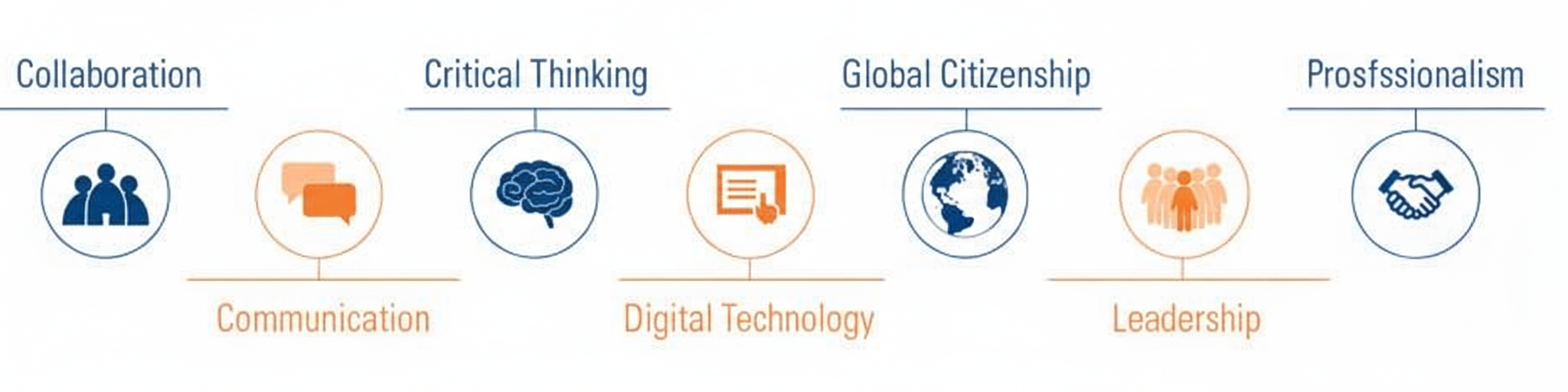
Liberal Arts & Science is an interdisciplinary field that emphasizes broad-based knowledge, critical thinking, creativity, and problem-solving across the humanities, social sciences, natural sciences, and mathematics. It encourages students to explore multiple disciplines and develop a well-rounded understanding of the world. A degree in Liberal Arts & Science provides knowledge in areas such as literature, history, philosophy, social sciences, mathematics, and natural sciences. Students develop analytical thinking, research skills, communication, and the ability to integrate ideas across diverse fields. Liberal Arts & Science fosters intellectual curiosity, cultural awareness, and ethical reasoning, preparing graduates for versatile careers in education, research, public service, communications, policy, and business. It equips individuals to adapt to complex societal challenges and contribute thoughtfully to a rapidly changing world.

Law & Legal Studies
Law & Legal Studies is the study of legal systems, regulations, and principles that govern society. It explores the creation, interpretation, and enforcement of laws, as well as the rights and responsibilities of individuals, organizations, and governments. A degree in Law & Legal Studies provides knowledge in constitutional law, criminal law, civil law, international law, legal reasoning, and ethics. Students develop critical thinking, analytical, research, and advocacy skills, preparing them to interpret laws, resolve disputes, and advise on legal matters. Law & Legal Studies is essential for upholding justice, protecting rights, and maintaining social order. Graduates can pursue careers as lawyers, legal advisors, judges, policy analysts, corporate legal officers, or work in public administration, international organizations, and human rights advocacy.

Language & Culture
Language & Culture is the study of human communication, expression, and identity through language, literature, and cultural practices. It explores how language shapes thought, social interactions, and cultural heritage, while examining traditions, customs, and societal norms. A degree in Language & Culture provides knowledge in linguistics, cross-cultural communication, literature, translation, sociolinguistics, and intercultural studies. Students develop analytical, research, and communication skills, along with an understanding of cultural diversity and global perspectives. This field is essential for fostering cultural awareness, promoting effective communication across communities, preserving linguistic heritage, and supporting global collaboration. Graduates can pursue careers in translation, teaching, diplomacy, cultural consultancy, international relations, media, and research.

Information Technology (IT)
Information Technology (IT) is the study and application of computer systems, software, and networks to store, process, secure, and transmit information. It plays a critical role in modern businesses, education, healthcare, and daily life by enabling efficient digital communication and data management. A degree in IT provides knowledge in programming, database management, networking, cybersecurity, cloud computing, system administration, and software development. Students develop problem-solving, analytical, technical, and project management skills, preparing them to design, implement, and maintain IT solutions. IT drives innovation, improves operational efficiency, and supports digital transformation across industries. Graduates can pursue careers as network administrators, software developers, cybersecurity specialists, IT consultants, system analysts, and cloud engineers, contributing to technological advancement and secure digital infrastructure.

Hospitality & Tourism
Hospitality & Tourism is the study and practice of providing services and experiences to travelers and guests, focusing on accommodation, food and beverage, event management, and cultural or recreational experiences. It combines management, customer service, and marketing skills to ensure memorable and efficient travel and hospitality experiences. A degree in Hospitality & Tourism provides knowledge in hotel and restaurant management, travel and tourism operations, event planning, customer service, sustainable tourism, and marketing strategies. Students develop communication, problem-solving, leadership, and organizational skills essential for managing people and services effectively. Hospitality & Tourism is vital to global economies and cultural exchange, enhancing travel experiences and promoting sustainable practices. Graduates can pursue careers in hotels, resorts, travel agencies, airlines, event management, cruise lines, tourism boards, and hospitality consulting.